-min.png "kartikheater")
Why Immersion Heaters Are Widely Used in Industrial Heating
When industries need to heat water, oil, chemicals, or other liquids directly inside a tank, one of the most practical solutions is an immersion heater. These heaters are simple in design, highly efficient, and capable of delivering fast and reliable heating for a wide range of industrial applications. Unlike external heating systems, an immersion heater is installed directly into the liquid. This allows heat to transfer quickly with minimal energy loss. Whether you need an industrial water heater for hot water generation or an industrial oil heater for process applications, immersion heaters offer a dependable and cost-effective solution.
Today, immersion heaters are used in manufacturing plants, chemical industries, pharmaceutical facilities, food processing units, and many other sectors where precise temperature control is essential. With the right design and material selection, an industrial immersion heater for tanks can provide years of trouble-free performance while helping businesses reduce operating costs.
What Is an Immersion Heater?
An immersion heater is an industrial heating element designed to be inserted directly into a liquid. When electricity passes through the heating element, it generates heat that is transferred to the surrounding fluid. Because the heater is in direct contact with the medium, heating is fast and efficient. This makes immersion heaters one of the most effective process heating solutions for industrial applications.
A typical immersion heating system may include:
-
Heating elements
-
Flange or threaded fittings
-
Temperature controls
-
Thermostats and sensors
-
Protective enclosures
A high-quality electric immersion heater can be customized to match specific temperature requirements, tank sizes, and fluid characteristics.
Types of Immersion Heaters
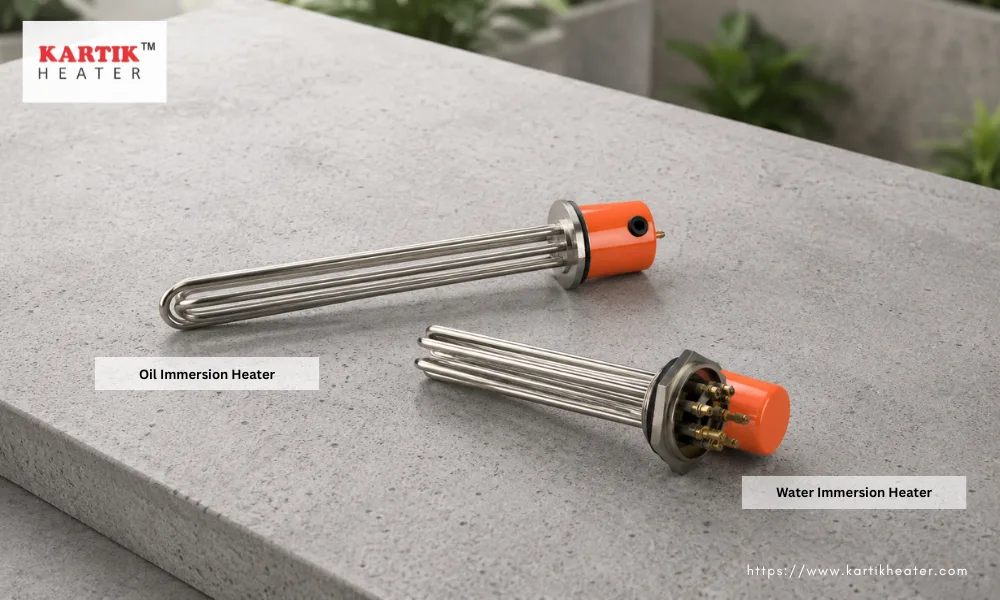
Different applications require different heater configurations. The two most common types are water immersion heaters and oil immersion heaters.
Water Immersion Heater
A water immersion heater is designed to heat water directly in storage tanks, boilers, and process vessels. These heaters are commonly used in hotels, hospitals, chemical plants, and manufacturing facilities. Applications include:
-
Hot water generation
-
Cleaning and sanitation
-
Boiler feed water heating
-
Process water heating
A well-designed industrial water heater ensures rapid heating, accurate temperature control, and lower energy consumption.
Oil Immersion Heater
An oil immersion heater is used to heat oils, fuels, lubricants, and other viscous liquids. These heaters are widely used in chemical processing, hydraulic systems, and storage tanks. Applications include:
-
Thermal oil heating
-
Fuel oil preheating
-
Lubricant heating
-
Viscous fluid temperature maintenance
A reliable industrial oil heater helps maintain process efficiency and ensures smooth equipment operation.
Key Benefits of Immersion Heaters
High Energy Efficiency
Because the heating element is immersed directly in the liquid, almost all generated heat is transferred to the medium. This makes immersion heaters an energy efficient immersion heater solution for industrial use.
Fast Heating
Direct contact with the fluid enables quick heat transfer and faster temperature rise.
Compact Design
Immersion heaters are easy to install and require minimal space compared to larger heating systems.
Precise Temperature Control
When combined with thermostats and control panels, immersion heaters provide accurate temperature regulation.
Low Maintenance
With proper material selection and operation, these heaters offer long service life and dependable performance.
Customization
A custom immersion heater can be designed for different tank sizes, voltages, temperatures, and fluid types.
Common Applications of Industrial Immersion Heaters
Industrial immersion heaters are used in many sectors where direct liquid heating is required.
Chemical Industry
Used to heat process chemicals, solvents, and storage tanks.
Pharmaceutical Industry
Provides hot water and process heating while meeting hygiene standards.
Food Processing
Used for cleaning, washing, and maintaining required temperatures.
Oil and Gas
Heats fuel oils, lubricants, and hydraulic fluids.
Water Treatment Plants
Supplies hot water for treatment and sanitation processes.
Manufacturing Units
Supports production processes that require controlled heating.
Why Immersion Heaters Are Ideal for Tanks
An industrial immersion heater for tanks is mounted directly into the tank wall or flange, ensuring efficient heat transfer exactly where it is needed.
Advantages include:
-
Uniform heating
-
Reduced heat loss
-
Easy installation
-
Lower operating costs
-
Reliable temperature control
This makes immersion heaters a preferred choice for industrial tanks of all sizes.
How to Choose the Right Immersion Heater
Selecting the right heater depends on several technical factors:
-
Type of liquid (water, oil, chemicals)
-
Required temperature
-
Tank size and capacity
-
Watt density
-
Material compatibility
-
Voltage and power requirements
Working with an experienced immersion heater manufacturer helps ensure the heater is properly designed for your application.
Why Manufacturer Selection Matters
The quality of an immersion heater has a direct impact on performance, safety, and operating costs. A trusted immersion heater supplier can provide:
-
Application-specific design
-
High-quality materials
-
Energy-efficient solutions
-
Technical support
-
Fast delivery
If you are looking for an immersion heater manufacturer in Vapi or an immersion heater supplier in Gujarat, choosing a company with strong engineering expertise is essential.
Why Kartik Heater Is a Trusted Choice
Kartik Heater manufactures high-quality immersion heaters for water, oil, and industrial process applications.
What Kartik Heater Offers
-
Durable industrial immersion heater solutions
-
Customized heater designs
-
Reliable immersion heating element technology
-
Efficient industrial process heater systems
-
Technical support and fast response
Whether you need a water immersion heater, oil immersion heater, or a fully customized heating solution, Kartik Heater delivers products designed for long-term performance.
Conclusion
An immersion heater is one of the most efficient and reliable solutions for heating water, oil, and other industrial fluids. With options such as water immersion heaters and oil immersion heaters, businesses can choose the right system based on their specific process requirements. From lower energy consumption to precise temperature control, immersion heaters provide a practical and cost-effective answer to many industrial heating challenges. If you are searching for a dependable immersion heater manufacturer, Kartik Heater offers customized and energy-efficient solutions tailored to your application.